You can usually tell when something isn’t done right. It may not be obvious at first, but small things stand out over time. A door that doesn’t close properly, paint that looks uneven up close, or a window that lets in a draft. These are easy to ignore at first, but they usually point to something not done right. At Handyman LLC, we’ve seen how small issues turn into bigger problems over time if they’re not addressed early. As an NJ home improvement contractor, the focus is on getting the details right the first time so issues don’t build up later.
Poor Alignment and Finishing
Poor workmanship often shows in the small things first. Not dramatic, but consistent.
- Uneven tile lines or gaps that don’t stay consistent.
- Fixtures that feel loose or slightly out of position.
- Doors or cabinets that don’t align properly.
- Trim work with uneven edges.
These are early signs that the work wasn’t handled with enough care. Over time, they tend to get worse, not better.
Paint Cracks
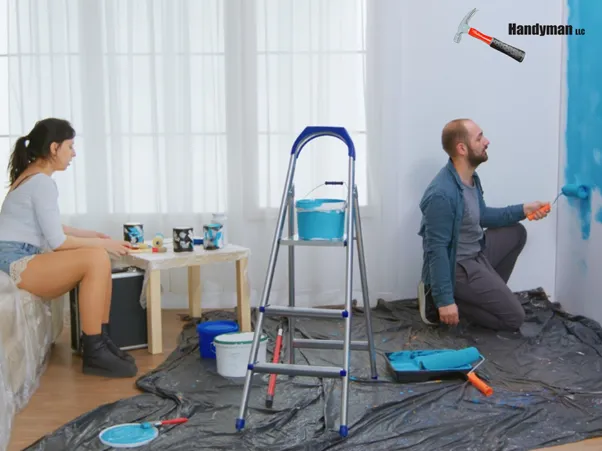
A fresh coat of paint can hide a lot at first. But it doesn’t take long for shortcuts to show.
With interior painting New Jersey projects, preparation matters as much as the paint itself. Without it, the finish won’t last.
- Streaks, roller marks, or uneven coverage.
- Peeling or bubbling within a short time.
- Visible patches on unevenly prepped surfaces.
- Paint lines that aren’t clean along edges or trim.
These issues point to rushed work or skipped steps before painting began.
Windows fallouts
Windows are another area where poor installation becomes obvious over time. Even high-quality windows won’t perform well if they aren’t installed correctly.
- Draughts around the window frame.
- Difficulty opening or closing the window.
- Moisture or condensation forming between panes.
- Gaps or uneven sealing along the edges.
At Handyman LLC, we are certified as Andersen replacement window installers in New Jersey, delivering trusted expertise and high-quality window
solutions. As a certified Andersen replacement contractor, the focus is on using quality materials and installing them properly so the windows perform as expected.
Moisture and Ventilation Issues
Moisture problems tend to develop slowly, but they’re often tied to how the work was done.
- Bathrooms that stay wet longer than they should.
- Signs of mold or mildew growing around the edges.
- Lack of proper ventilation for air circulation.
- Water that doesn’t drain or dry properly.
Installation or planning problems are usually the source of these issues, not just everyday use.
Signs of Wear and Instability
One of the biggest signs of poor workmanship is how quickly things start to break down.
- Cracking or loosening of grout.
- Fixtures that move or are not secure.
- Flooring that starts to come apart or lift.
- Caulking that fails sooner than expected.
Why It’s Better to Take Care of It Early?
Small problems should not be overlooked. If ignored, they often turn into larger repair jobs. Please get in touch with us at Handyman LLC, the approach is simple and reliable. Find the problem, fix it properly, and make sure it doesn’t happen again. As a New Jersey home improvement contractor, the focus is on long-term results, not quick fixes.
If you’re beginning to notice signs that something isn’t right, it’s worth addressing it before the problem gets worse.
FAQ’s
Q1. How can I tell if the poor workmanship is cosmetic or serious?
Ans. If the problem is affecting the way something works, like loose fixtures, drafts, moisture, etc., then it needs timely intervention.
Q2. Is poor surface preparation always the cause of bad painting?
Ans. Most of the time, yes. If you see uneven coverage or peeling, it’s usually a sign that the surface wasn’t prepped correctly.
Q3. Can bad window installation be repaired instead of replaced?
Ans. Sometimes. That depends on the condition of the window and how it was installed. Sometimes the problem will be solvable by adjustments. In others, replacement is the better choice.
Q4. Why do little problems tend to get bigger with time?
Ans. They often indicate an underlying problem. If the cause is not addressed, the problem will continue and can spread to neighboring areas.



Leave a Reply