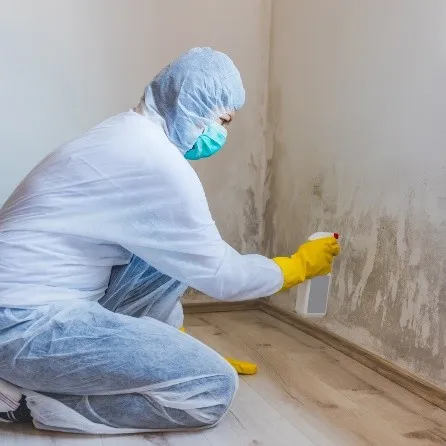
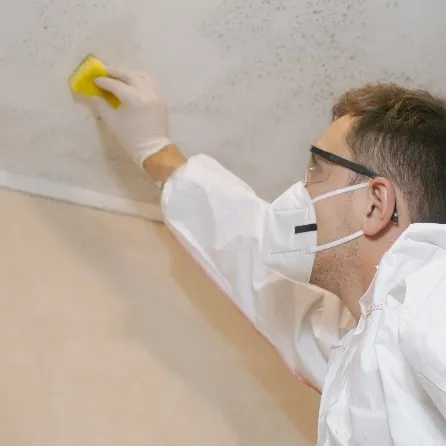
Mold has a way of hiding in places most homeowners rarely look. Escaping a human eye, it’s the very nature of mold. Behind drywall. Under the flooring. Inside crawl spaces. Windows around which moisture collects for months. By the time it catches your eye, the problem is already through the roof.
The sheer stubbornness of mold is why it should never be treated like a simple one-off cleaning project.
Removing surface discoloration may improve appearances temporarily, but lasting results require identifying the source of moisture and addressing the affected materials properly. Effective mold remediation is all about solving the problem, not just covering it up.
Why Mold Develops
Mold needs only a few things to grow:
- ● Moisture
- ● Organic material
- ● Limited airflow
- ● Time
Water leaks, roof damage, plumbing issues, poor ventilation, and flooding can all create conditions for mold to begin spreading. In some cases, homeowners discover the issue quickly. In others, mold remains hidden for months behind walls or beneath flooring.
The longer moisture remains untreated, the more extensive and expensive the remediation process gets.
What Professional Mold Remediation Involves
Sure, a qualified mold remediation specialist removes the visible growth, but they do a heck of a lot more than that.
The starting step is the same: a careful assessment of the affected area.
Often the most important part of the job. Without properly hitting and
impacting the source, mold will return for sure.
- ● Moisture source determination
- ● Containment of impacted areas
- ● Elimination of contaminated material
- ● Air filtering and purification
- ● Surface Treatment and Hygiene
- ● Moisture control and drying methods
Each property has its own challenges, so the remediation plans should be
specific to the conditions of the structure.
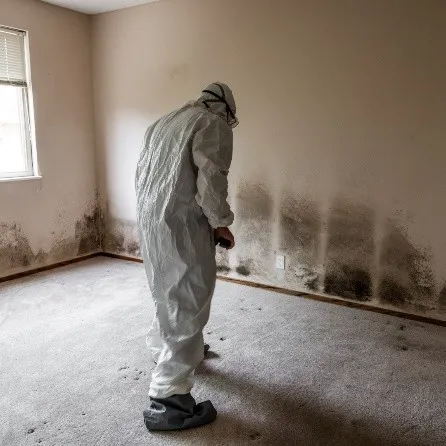
Why Acting Early is Important
One of the biggest mistakes homeowners make is waiting too long.
In some cases, small amounts of mold can be taken care of by limited repairs. Once moisture moves into insulation, framing, drywall or flooring systems, remediation becomes more difficult.
Warning signs often feature:
- ● Lingering musty smells
- ● Water stains on the wall or ceiling
- ● Bubbling surfaces or peeling paint
- ● Mildew, visible mold
- ● Recent water damage or flooding
- ● Higher indoor humidity
The signs may not always be an indication of a serious problem, but they should not be ignored.
Choosing Experienced Mold Remediation Professionals
Not all mold issues are the same. A bathroom troubled by poor ventilation requires a different approach than a basement plagued by groundwater intrusion.
Partnering with a professional mold remediation specialist will help ensure the problem is correctly diagnosed from the beginning. Experience counts, as good remediation is about knowing building materials, moisture movement, and long-term prevention techniques.
Handyman LLC is highly reputed for mold remediation in New Jersey, a restoration specialist. Our solutions are simple and are designed to deal with visible mold and conditions that cause it to develop.
It is not only about removing the mold today. It is to prevent it becoming a recurring issue tomorrow.