
Moisture Problems Start Long Before You Notice Them
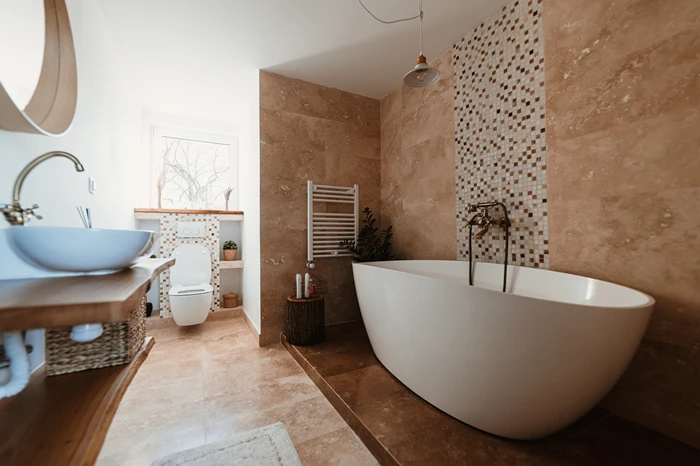

A bathroom can look flawless on the day the remodel wraps up. Fresh tile lines, clean paint, new fixtures, brighter lighting. Then six months later, the mirror keeps fogging for half an hour after a shower, the ceiling paint starts curling near the corners, and there’s a faint musty smell nobody can quite place. That usually comes down to ventilation. Moisture is relentless in a bathroom, especially in older New Jersey homes where airflow was never designed for modern use. People tend to obsess over finishes during a renovation because those are the things you can see immediately. Ventilation gets less attention because it sits behind the scenes, but it quietly determines how well the entire bathroom ages. In many cases, it matters more than the tile itself. A proper bathroom design & remodel in NJ should always account for airflow before the first sheet of drywall goes up.
Bathrooms Trap More Humidity Than Most Homeowners Realize
Steam moves fast and settles everywhere. It slips into grout joints, under paint, inside cabinets, around window trim, and eventually into insulation and framing if the room cannot dry properly. Once moisture gets trapped, deterioration follows a predictable pattern. First comes condensation. Then mildew. Then the soft drywall corners and peeling paint. In some homes, especially older ones with weak exhaust systems, mold starts growing behind the walls long before there are visible signs on the surface. We have seen bathrooms with beautiful renovations hiding completely soaked subfloors underneath. That kind of damage rarely starts with one major leak. More often, it builds slowly from years of trapped humidity.
A Good Exhaust Fan Is Not Just a Technical Detail
A lot of homeowners assume any exhaust fan will do the job. That is usually not true. An undersized fan barely moves air, and a poorly installed one can make almost no difference at all. Some fans vent into attics instead of outside the home, which just relocates the moisture problem instead of solving it. Placement matters too. If the fan sits too far from the shower, steam hangs in the room much longer than it should. Noise level matters more than people expect as well. Loud fans get turned off quickly, while quieter models tend to run longer and actually remove moisture effectively. These details sound small until you live with them every day.
Signs Your Bathroom Ventilation Is Falling Short
Some ventilation issues are obvious, while others creep in gradually over time:
- Mirrors stay fogged long after showers
- Persistent dampness on walls or ceilings
- Paint bubbling near corners or trim
- Mildew is returning even after cleaning
- Humidity is spreading into nearby rooms
None of those problems improves on its own. They usually get worse slowly, which is why many homeowners ignore them until repairs become expensive.
Ventilation Affects More Than the Bathroom
Humidity does not stay contained as neatly as people think. Moisture drifts into hallways, nearby bedrooms, and lower levels of the home. In houses with finished lower floors or a basement remodel in New Jersey, excess humidity can create lingering moisture issues far beyond the bathroom itself. Air circulation inside a home works as a connected system. When one room consistently traps moisture, the effects spread. You notice it in warped trim, stale air, condensation around windows, and even HVAC strain during colder months. Bathrooms that never dry properly tend to make the whole house feel heavier somehow.
Read Also: How Bathroom Remodeling Contractors in New Jersey Handle Repairs, Remodeling, and Maintenance Together?
Remodeling Should Solve Problems, Not Cover Them Up
One thing that separates a lasting remodel from a short-lived cosmetic update is whether the hidden problems were actually addressed. Expensive stone, custom vanities, and premium fixtures will not hold up in a damp environment forever. Grout weakens faster, caulking breaks down sooner, and wood cabinetry absorbs moisture over time, no matter how nice it looked in the showroom. That is why ventilation deserves real attention during planning. It protects every other investment inside the room. A thoughtful bathroom design & remodel in NJ is not only about appearance. It is about building a space that still functions properly years after the excitement of the renovation wears off.
Conclusion
At Handyman LLC, we look at bathroom remodeling as more than surface-level improvement. The goal is not just to create a cleaner-looking room. It is to build a space that handles moisture properly, stays comfortable year-round, and avoids the slow damage that too many homeowners discover after the fact. If your bathroom feels damp, foggy, or constantly humid, it may be time to address the ventilation before starting cosmetic upgrades. Contact us today to plan a remodel that looks good on day one and still performs years later.
FAQs
Q1. Why is ventilation so important during a bathroom remodel?
Proper ventilation removes excess moisture before it damages paint, drywall, cabinetry, and flooring. It also helps prevent mold growth and stale indoor air.
Q2. What are the signs that my bathroom ventilation is not working properly?
Fogged mirrors, peeling paint, mildew smells, and constant dampness usually point to poor airflow. These issues often get worse gradually over time.
Q3. Can a bathroom exhaust fan really affect the lifespan of my remodel?
Yes, trapped humidity can weaken grout, damage wood vanities, and shorten the life of finishes. Good ventilation protects the investment you make in the space.
Q4. Is every bathroom exhaust fan suitable for any bathroom size?
No, the fan needs to match the room size and moisture level to work effectively. An undersized fan may leave humidity trapped inside the bathroom.
Q5. Should ventilation be planned before starting a bathroom remodel?
Absolutely. Ventilation should be part of the remodeling plan from the beginning, so airflow, duct routing, and fan placement are handled correctly.



Leave a Reply